
Food Safety & Audits
What Is Farm Management Software? A Specialty Crop Grower's Guide
Farm management software is cloud-based, modular software that records and analyzes the day-to-day operations of a growing business — production practices, spray applications, labor, harvest, packing, storage, and shipping — on one platform. It shows what happened, where (down to the block), what it cost, and what each lot is worth, from field to customer. The term "farm software" gets used loosely, but this guide defines the category through specialty crop operations, not row-crop commodity tools. It's written for fruit and vegetable growers — owner-operators and second-generation owners evaluating a first platform or a replacement.
FSMA 204 Compliance for Growers: Your Traceability Roadmap to the 2028 Deadline
The FSMA 204 Food Traceability Final Rule is FDA's recordkeeping rule for foods on its Food Traceability List — including most fresh-cut produce, melons, leafy greens, tomatoes, cucumbers, sprouts, and fresh herbs. It requires covered companies to capture records at specific supply-chain events, assign traceability lot codes, and produce complete traceability data to FDA within 24 hours of a request.
If you grow, pack, ship, or receive any of those commodities, the rule applies to your operation. And even though the enforcement date moved to 2028, the clock on your preparation window is already running.
Here's where things stand as of October 2026, what the rule actually requires at each stage of your workflow, and how to close the gap before it matters — because your retail buyers aren't waiting for FDA to ask.
Piece Rate Tracking for Harvest: Productivity, Compliance & Profitability
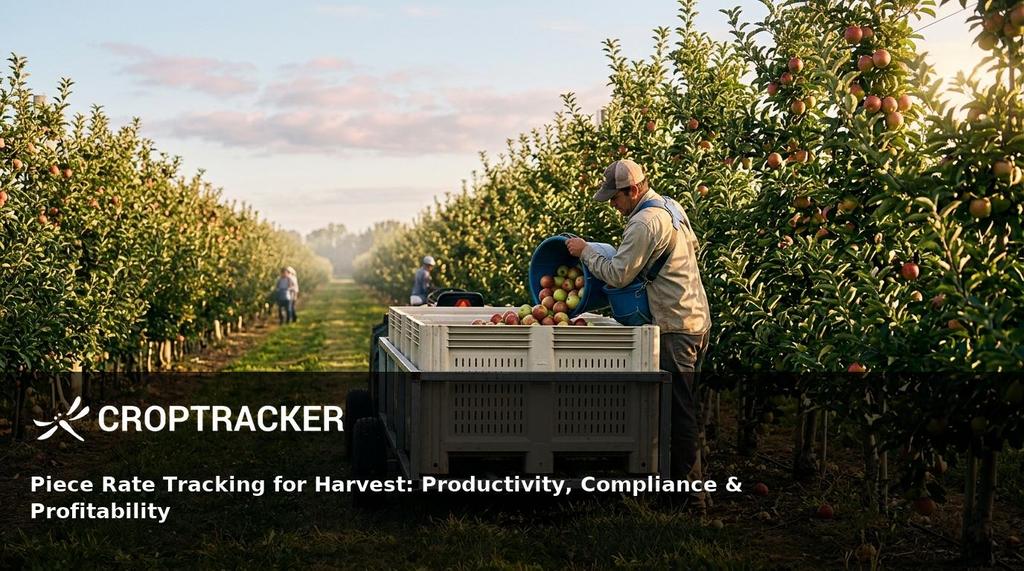
Harvest is likely the single largest expense on your farm. Labor accounts for roughly 40 to 42 percent of production expenses for specialty crops, according to the 2022 Census of Agriculture and USDA ERS data, depending on your crop and region. When that kind of money is riding on every bucket, every bin, and every bushel, you need a clear line of sight into what each picker is doing and what it costs.
Paths to alleviate audit and decision fatigue for growers

One of the most common reasons we hear from our customers on why they are seeking farm management software is to help them with audits. In the fresh produce industry, an audit is essentially a pass/fail examination of a farm or packinghouse's written plan and the physical evidence that the plan is being consistently implemented to ensure safe and compliant products.
Croptracker feature use case: mixed variety product traceability

Speciality fruit and vegetable growers and packers are facing pressure from all sides. In an increasingly consolidated market with steep labor and input costs, it can be difficult to gain any competitive advantage.
One of the strategies produce marketers have gone to more in the past few years is specialty, mixed variety packaging. A unique or curated mix of produce can be a key differentiator in a crowded market. A producer can brand a special "garden salad mix" or a "heirloom tomato medley" to attract consumers and potentially command a higher price point.
In this Croptracker use case blog we will outline how growers can maintain traceability requirements and productivity while creating mixed variety packed products in the field, greenhouse or from storage.
Traceability and Labor: The Challenges of Berry Harvesting

This blog is part one of a series on berry harvest. Part one on the challenges of harvesting berries by hand. Part two offers solutions to some of these challenges using Croptracker. Find part 2, Croptracker Feature Use Case: Speed Scanning for Berry Harvest here.
Croptracker Feature Use Case: Seamless MRL Compliance and Global Market Access

Navigating the Global Produce Market: The MRL Challenge
In today's interconnected world, agricultural producers face a complex web of regulations, few more critical than Maximum Residue Limits (MRLs). These limits define the maximum permissible levels of pesticide residues on food products, set by importing countries to safeguard consumer health. The allowable chemicals, best practices and consumer perceptions are constantly shifting. While MRLs are essential for food safety, their global variations and frequent changes create significant hurdles for growers, packers, and shippers.
Croptracker Feature Use Case: Traceability and Recall Reports

In this feature use case blog, we will be highlighting some of the traceability reports in Croptracker. The Mock Recall: Lot Code Report and the Receiving Traceability Report are designed to help users locate the path of inventory through their operations for food safety reporting including real and mock recall scenarios.
Global Food Safety Initiative 2023

This week the Global Food Safety Initiative’s annual conference met in Atlanta. With more than 800 delegates from 50 countries, this conference brings together food safety experts from around the world. This conference’s theme: Delivering Safe Food in Turbulent Times: The Need for Agility & Resilience centered around how climate change, global political instability, and supply chain disruptions have affected access to safe food.
Harvest Bin Tagging for Traceability
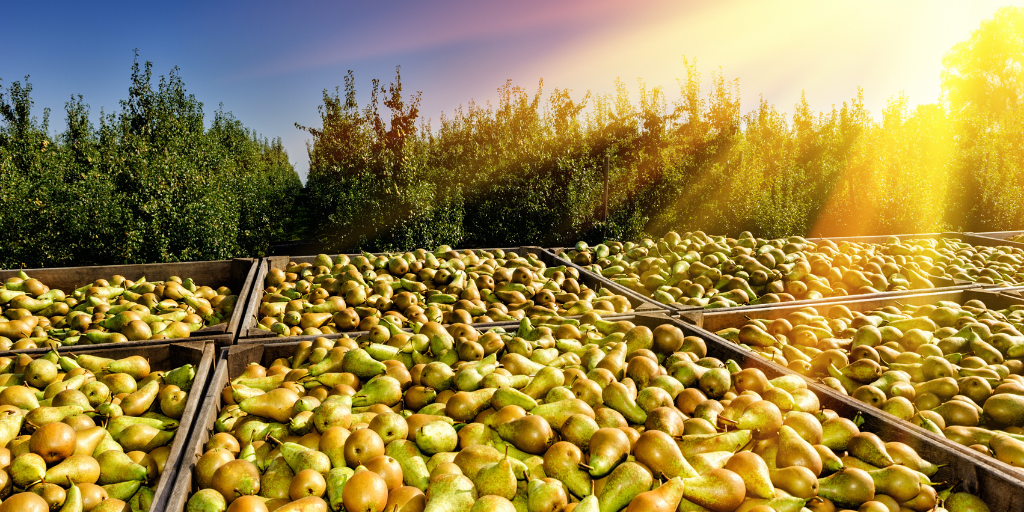
It’s a new year, and while harvest time has wrapped up here in North America it is still underway in the southern hemisphere. Every year we get feedback from hundreds of growers worldwide about their need for harvest traceability, but who are also desperate to simplify their data collection process during the busiest time of year.
Croptracker’s Spray module improves safety, efficiency, and traceability

The growing season is nearly upon us, Croptracker can help you every step of the way.
Three ways Croptracker’s Spray module can boost safety, efficiency, and traceability

Improving the safety, efficiency and traceability of crop production is a central priority for Croptracker when considering the farm management ERP. Offering robust recordkeeping for all aspects of production and harvest, Spray is a key module that ticks off all the boxes for optimizing your operation, for the betterment of your crew.
Produce Traceability Initiative Announces New Traceability Guidelines
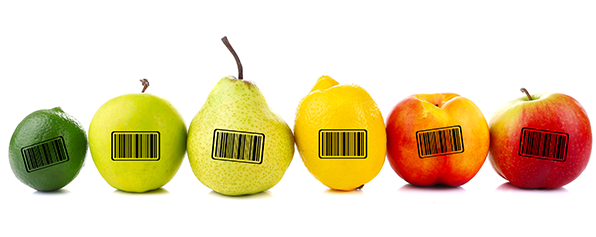
The Produce Traceability Initiative (PTI), sponsored by the Canadian Produce Marketing Association, GS1 US, The Produce Marketing Association (PM), and United Fresh, aims to bring accurate, electronic traceability to every step of the food supply chain. Last week they announced new standards for traceability and labelling in the US and Canada in advance of the 2020 Food Safety Modernization Act (FSMA) draft to be released this September.
Romaine Recall Update: Feedlot Runoff Likely Cause of 2019 Outbreak

When E. coli wreaked havoc on romaine lettuce production and consumption last fall, the investigation of the outbreaks by the FDA determined three likely sources in the Salinas Valley growing region in California. During the initial period of mitigating harm when fewer answers were available, we wrote about how the production of lettuce in the Salinas Valley was halted, how Wisconsin was hit with dozens of E. coli related illness linked to pre-cut romaine, and how the FDA was reviewing hundreds of distribution records to ensure specifics were determined. Recently released findings from this investigation include details on probable causation and the result of traceback efforts.
Fighting Food Fraud with Traceability

One of the biggest issues plaguing the food industry today is food fraud, defined by the Canadian Food Inspection Agency as the “the misrepresentation or adulteration of a product for economic gain”. Food fraud exists across a huge variety of food markets, from fresh produce to processed food items, condiments, fish, and even spices.
Recalls and Romaine: What Growers Can Learn From Lettuce Recalls
Recall is a scary word for both farmers and consumers. Fears of getting sick can keep consumers from buying certain products after recall news goes public. Farmers and distributors have to worry about product and profit losses which could greatly impact their businesses. Recent, widespread, and frequent, recall news is pushing issues of food safety and traceability to the forefront.
Barcode to Blockchain: Emerging Technology in Traceability
In the ongoing effort to improve food safety and traceability, technologies are constantly evolving to bring more accurate information to retailers and consumers about where their food comes from. The Produce Traceability Initiative, sponsored by the Canadian Produce Marketing Association, aims to bring accurate, electronic traceability to every step of the food supply chain. From brand specific universal product codes in grocery stores, to blockchain tracking an individual head of lettuce, it all starts with the case and pallet tags growers provide.
The Mock Recall Report: Our Most Powerful Traceability Tool
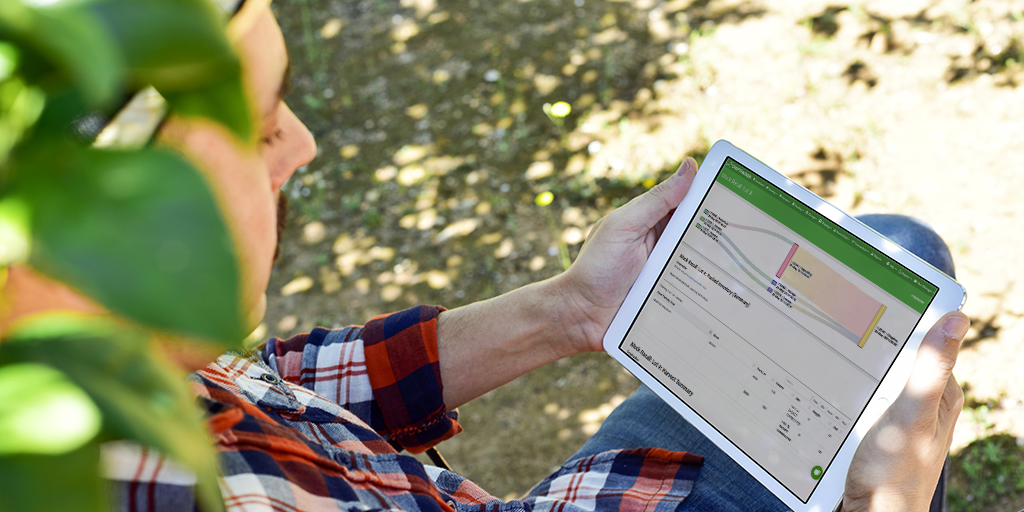
The mock recall report is the perfect tool to prepare you for auditing season.
New USDA GAP Assistance Program Comes Into Effect

Today marks the beginning of a new federal GAP Assistance
program for USA growers. Starting January 2nd, $3.7
million of assistance will be provided to cover costs of undergoing voluntary U.S. Department of
Agriculture (USDA) Harmonized Good Agricultural Practices
(GAP) audits. As recognized in the program
announcement, a food safety audit is an important aspect of
any farm marketing plan. As well as enhancing consumer
safety, audits expand the number of market options available
to the farm.
CanadaGAP Recognized by GFSI's Latest Version

The Global Food Safety Initiative (GFSI) has officially recognized fresh produce safety programme CanadaGAP® against its most recent Version 7.1 benchmarking requirements.
Request your free private demo now!
Let our expert staff walk you through the Croptracker system, and answer any questions you have.
We are here to help.