
Farm Business & Operations
What Is Farm Management Software? A Specialty Crop Grower's Guide
Farm management software is cloud-based, modular software that records and analyzes the day-to-day operations of a growing business — production practices, spray applications, labor, harvest, packing, storage, and shipping — on one platform. It shows what happened, where (down to the block), what it cost, and what each lot is worth, from field to customer. The term "farm software" gets used loosely, but this guide defines the category through specialty crop operations, not row-crop commodity tools. It's written for fruit and vegetable growers — owner-operators and second-generation owners evaluating a first platform or a replacement.
Farm Record Keeping Software: What It Does and How to Choose
Harvest is wrapped. The bins are counted, the last spray record is (hopefully) written down somewhere, and audit season is open. Between now and the end of the year, GAP auditors, buyers, and your accountant will all ask the same question: can you show me the records?
If the answer means digging through notebooks, whiteboard photos, and a spreadsheet someone's nephew built in 2019, you're not alone — but you're also paying for it in audit prep hours, wage-law exposure, and traceability risk. This article covers what farm record keeping software actually does, which records a specialty crop operation needs to keep, and how to choose a system that fits the way you farm.

Croptracker customer spotlight: Schriemer Family Farm
Schriemer Family Farm, located in Otterburne, Manitoba, is a multi-generational, vertically integrated operation. They grow a diverse offering of fresh vegetables, including field-grown onions, pumpkins, squash, and sweet corn, alongside greenhouse-grown tomatoes, cucumbers, and sweet and hot peppers. Supplying major retailers and local co-op shops, their own pack house, storage, and logistics infrastructure also allows them to pack and ship for smaller local growers.
Croptracker at Ontario Fruit and Vegetable Convention 2026
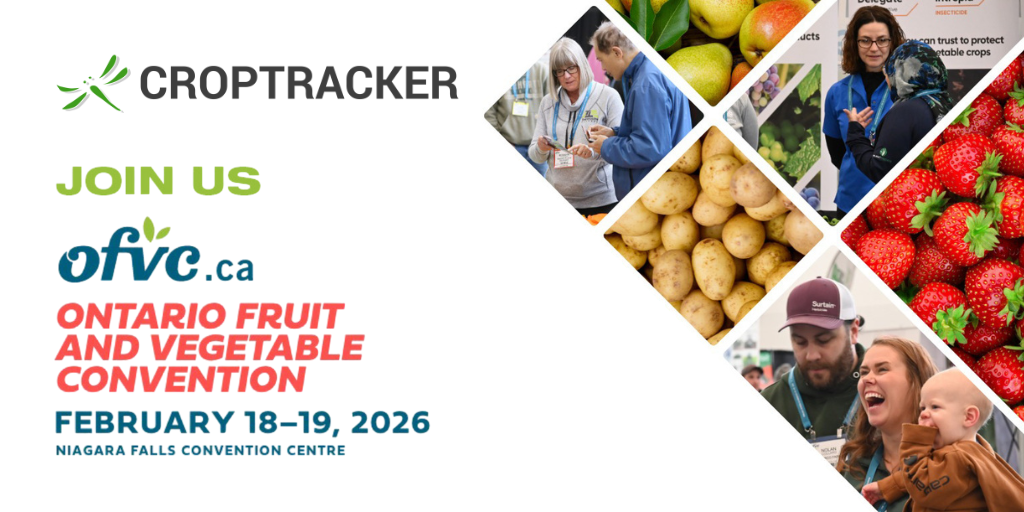
The 2026 growing season is just around the corner, and we are thrilled to kick it off at Canada’s premier horticultural event. Croptracker is officially heading to the >Ontario Fruit and Vegetable Convention (OFVC) in Niagara Falls!
As an Ontario-born company, OFVC is one of our favorite stops on the event calendar. It is a unique opportunity to connect directly with the growers, researchers, and industry leaders who drive the horticultural sector forward. Whether you are a long-time Croptracker user or looking for new ways to streamline your farm’s data, we’d love to see you there.
Croptracker feature use case: block level cost analysis
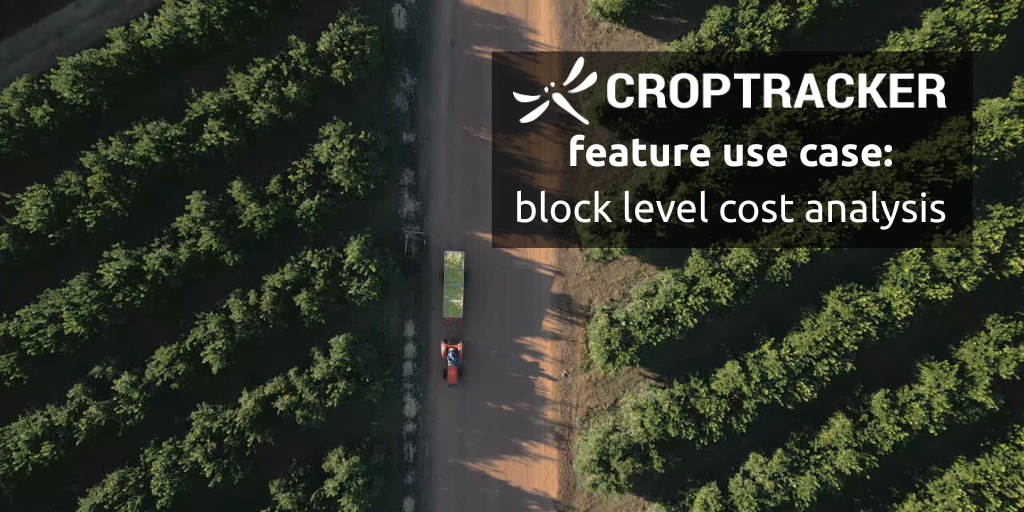
While whole-farm metrics are necessary for tax season, they often act as a cover, hiding your revenue killers behind your most profitable blocks. The core value of block-level metrics is granularity. It moves you away from generalities and allows you to pinpoint exactly where you are losing money and where your ROI is highest.
Moving from high-level oversight to actionable precision requires a shift in how you capture daily farm data. To help you implement these practices, this article provides a roadmap for tracking the biggest expenses: labor, inputs, and water. We will walk through the essential setup requirements in Croptracker, from block mapping to chemical inventory, and explore the specific workflows and reports that transform raw field data into a clear picture of your true break-even price.
Croptracker feature use case: organic buffer zone mapping
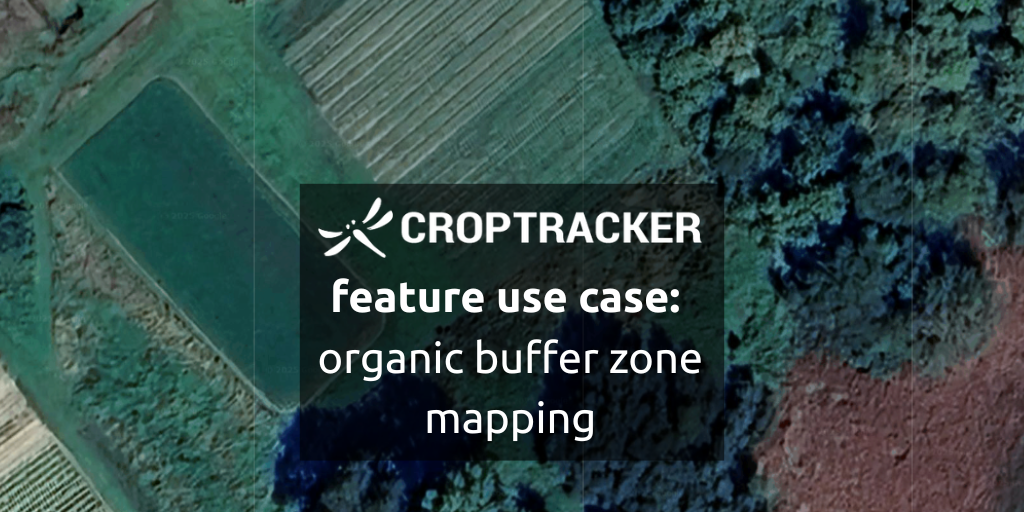
In the world of organic horticulture, a map is far more than a simple drawing of a field, it is a foundational legal and operational document. Whether you are a long-standing organic producer, a grower navigating the transition period, or managing a mixed operation with both organic and conventional plots, boundary mapping is the primary tool used to safeguard the integrity of your crops. This use case article will highlight the importance of boundary and buffer zone mapping and how our users do this in Croptracker today using the Field Map.
Croptracker software updates: Nov 24 - Dec 17 2025
This software updates blog covers features and fixes from November 24th through December 12th, 2025. Ensure your Croptracker mobile app is up to date to take advantage of these updates. Read on to learn more and get in touch with us at support@croptracker.com for more information.
Feature Use Case: NPK Fertilizer Active Ingredient Tracking
In today's highly regulated agricultural landscape, tracking fertilizer applications by the brand name and application rate alone is no longer sufficient for comprehensive nutrient analysis or environmental impact reporting. With combination fertilizers, juggling multiple active ingredients can feel like guesswork. Fortunately, Croptracker's Spray module and Active Ingredient tracking features are built to eliminate that uncertainty.
Happy Holidays from the Croptracker Team!
The year is quickly coming to a close, and we at Croptracker want to take a moment to thank all our incredible growers for another successful season. We deeply appreciate your partnership and dedication to the agricultural community. We wish you and your families a safe, restful, and joyful holiday season!
Croptracker use case: linked inventory and accounts for fresh produce sales desks
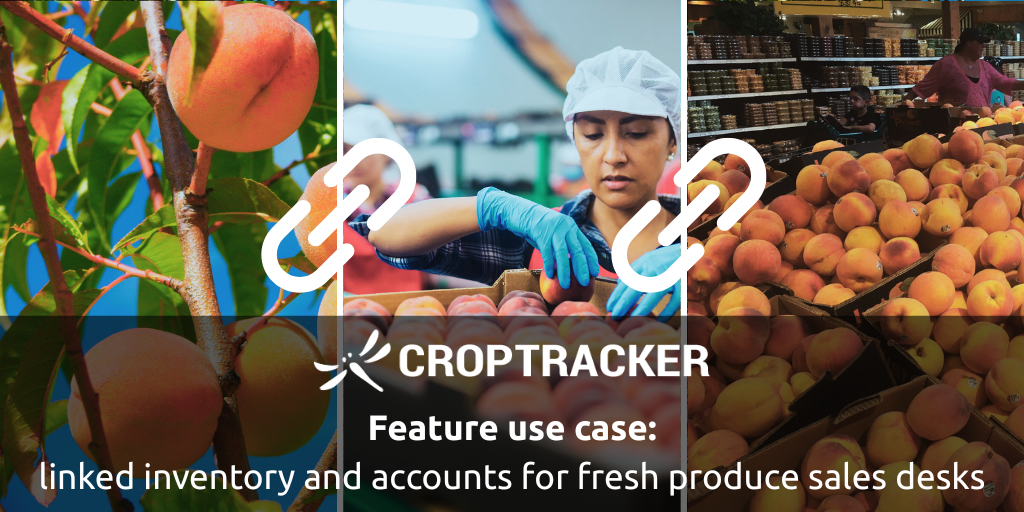
A grower’s responsibility for their produce does not end when harvest is done. Although the work to grow and harvest fresh produce takes months (or in the case of the pineapple - years), it is really only half of the battle. The second half of the work is the fast paced work of produce sales. Making sure the harvest reaches a dinner plate before it spoils is also a huge amount of work.
Croptracker customer spotlight: Welsh Bros
Welsh Bros is a multi-generational family farm that has been working their land outside Scotland, Ontario, for well over 150 years. Stewardship for their land and management of their farm currently fall to the 8th generation, with three Welsh brothers sharing responsibility. For this Croptracker customer spotlight, we spoke with Charles Welsh.
Croptracker mini use case: filtering with Search Panes
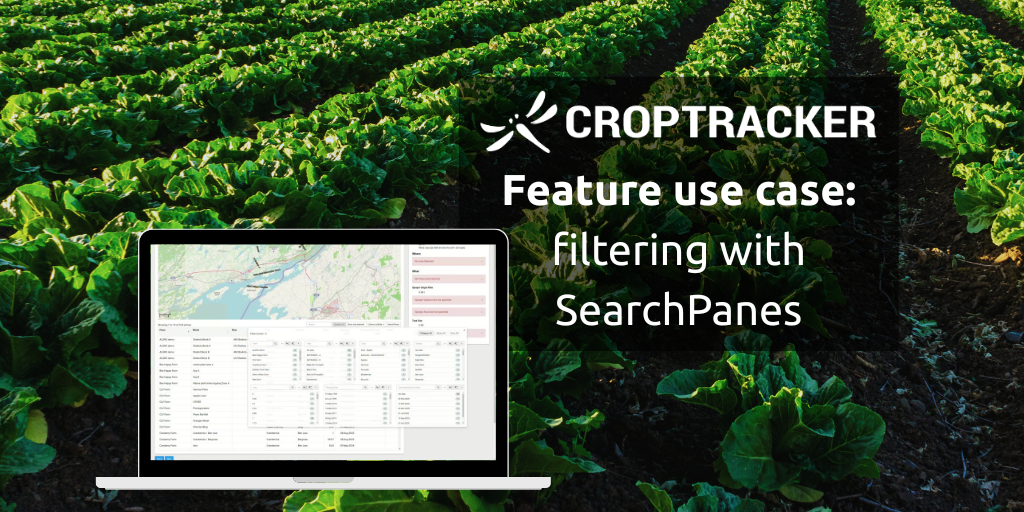
Croptracker recently released a new feature available to all our users on our reports called ‘SearchPanes’. Because this feature is potentially helpful to all our users, we have decided to drop a mini use case and help illuminate how and when to use it.
Croptracker software updates: Nov 10 - 21 2025
This software updates blog covers features and fixes from November 10th through 21st, 2025. Ensure your Croptracker mobile app is up to date to take advantage of these updates. Read on to learn more and get in touch with us at support@croptracker.com for more information.
Croptracker customer spotlight: Sandy Shore Farms
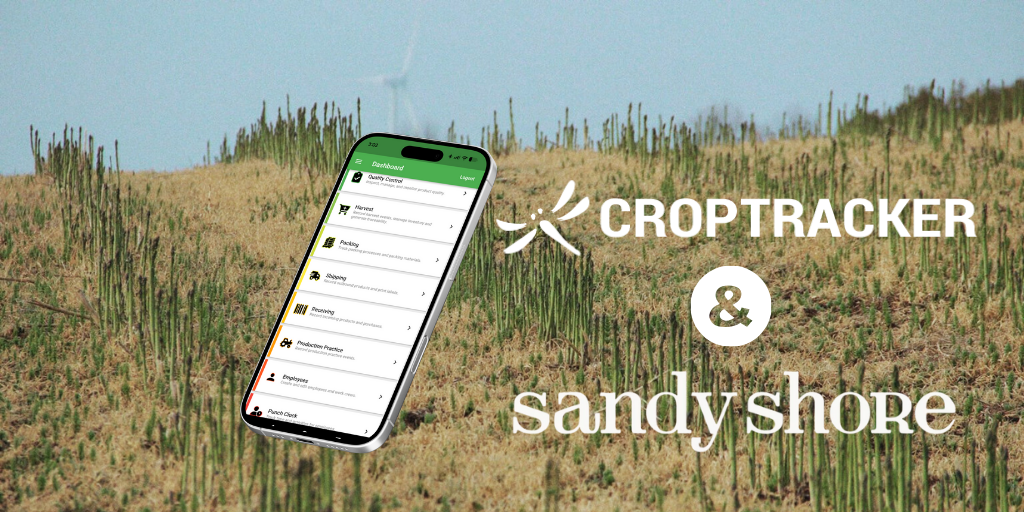
Sandy Shore Farms, a family-run enterprise established in 1956, stands as a prime example of agricultural innovation rooted in tradition. Operating in Norfolk, Ontario, the farm capitalizes on the region's rich, fertile sandy soil to cultivate a significant volume of high-quality produce, including fresh asparagus, onions and bell peppers.
Croptracker at Journées Horticoles et Grandes Cultures 2025
Croptracker is pleased to announce our return to the Journées Horticoles et Grandes Cultures / Horticultural and Field Crop Days 2025. The show is at the Saint-Rémi Recreation and Culture Centre and will run from November 25-27th. You can register, learn more about other attendees and view the show map HERE.
Croptracker Software Updates: Oct 27 - Nov 7 2025
This software updates blog covers features and fixes from October 27 - November 7, 2025. Ensure your Croptracker mobile app is up to date to take advantage of these updates. Read on to learn more and get in touch with us at support@croptracker.com for more information.
Croptracker feature use case: Plant inspections
Driven by customer feedback, Croptracker recently developed a workflow to handle a new and significant requirement: building a full inventory of hundreds of thousands of trees on a newly acquired orchard and continuously recording their long-term health and performance. To make this goal possible, Croptracker added a new Plant Inspection workflow using our Quality Control and Field Map modules.
Croptracker Software Updates: Oct 20 - 24 2025
This software updates blog covers features and fixes from October 20 through 24, 2025. Ensure your Croptracker mobile app is up to date to take advantage of these updates. Read on to learn more and get in touch with us at support@croptracker.com for more information.
Tech round up: Near-Infrared testing in fresh produce
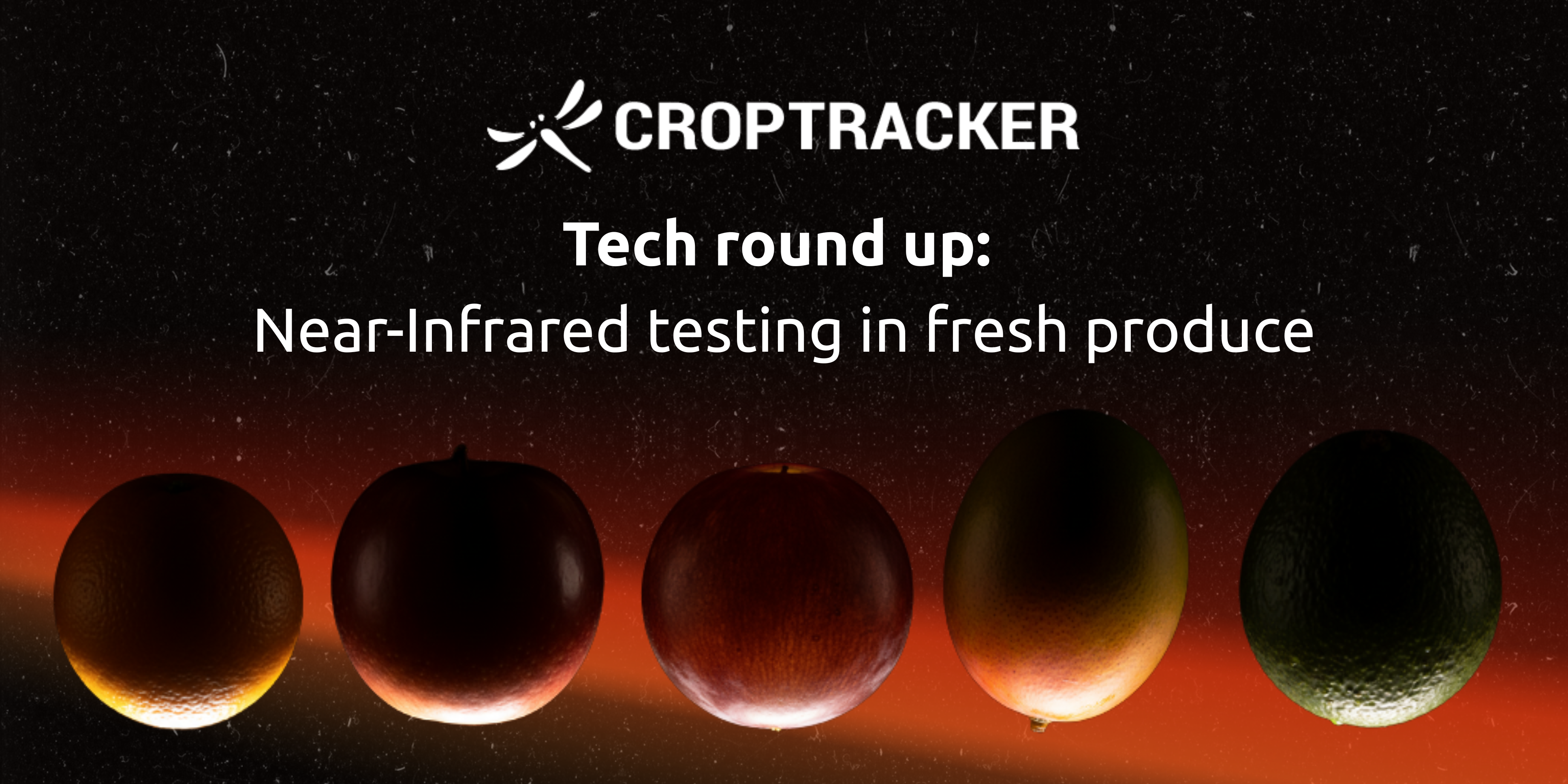
Following up on our recent research for our resource page on Near-Infrared (NIR) technology for the fresh produce industry, we have created a technology round up of NIR and DA (Differential Absorbance) tools on the market today.
Quality assessment of fresh produce is undergoing rapid technological advancements, shifting from reliance on slow, destructive laboratory methods (such as penetrometers and refractometers) toward high-throughput, non-invasive spectral analysis. Though this technology is relatively new to fresh produce, several companies have jumped ahead of the curve to calibrate NIR spectrometers for fruit and vegetable analysis.
Portable NIR tools have a longer history in construction, manufacturing and geological industries. Some of the brands we will review first created NIR tools for these other industries, but a few agricultural tech manufacturers have also entered the market. We have focused this article only on hand held NIR tools, including DA meters, which have a smaller and specific functionality for chlorophyll level assessment.
Croptracker Software Updates: Oct 6 - 17 2025
This software updates blog covers features and fixes from October 6 through 17, 2025. Ensure your Croptracker mobile app is up to date to take advantage of these updates. Read on to learn more and get in touch with us at support@croptracker.com for more information.
Request your free private demo now!
Let our expert staff walk you through the Croptracker system, and answer any questions you have.
We are here to help.